Tuesday, August 4, 2020

Coffee Mills and Pots

This temporary lobby exhibit of coffee mills and pots is from the collection of Prairie Museum of Art & History

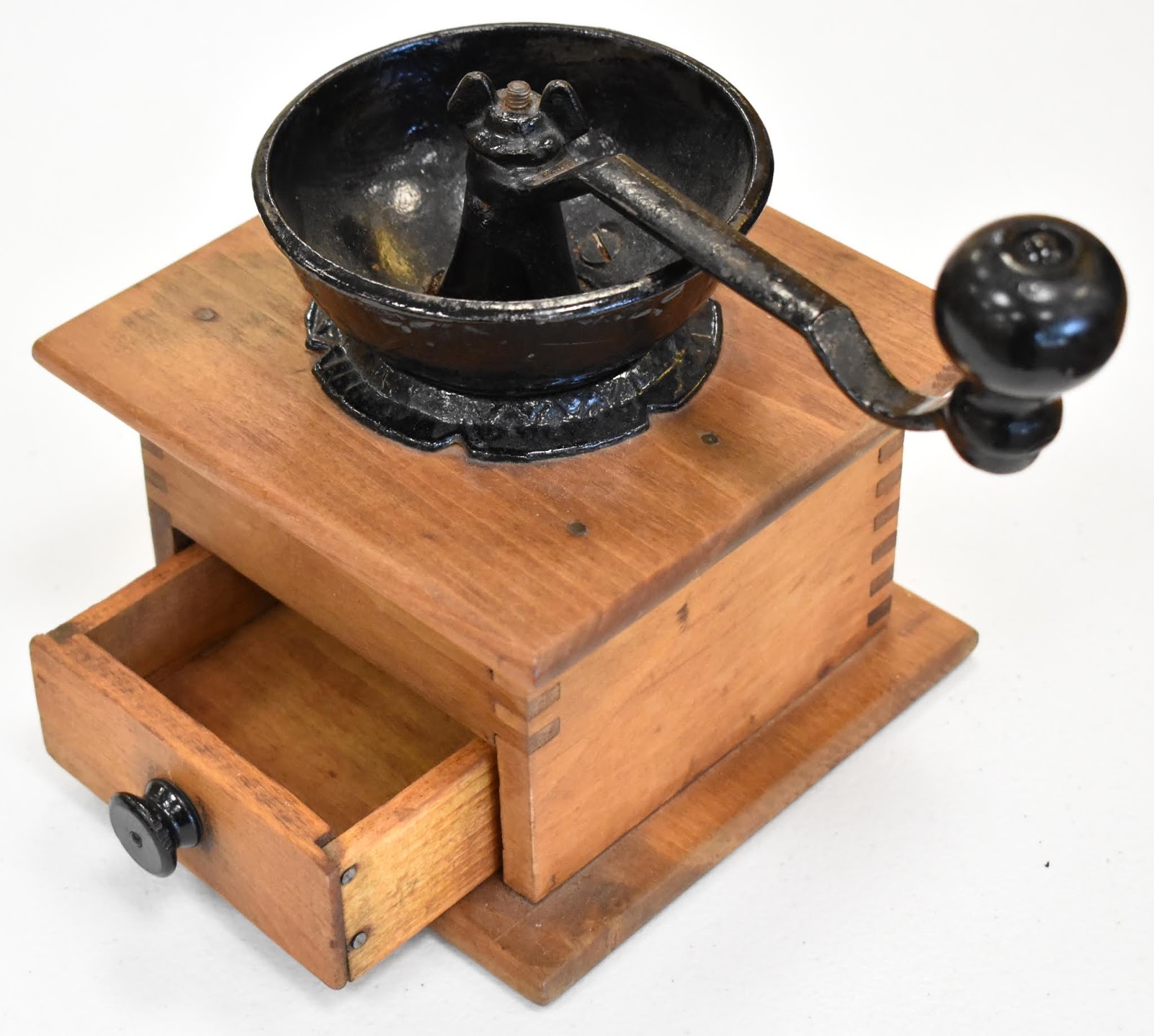
Coffee Mills or Grinders
Whole coffee beans are ground, also known as milling, to facilitate the brewing process. The fineness of the grind affects brewing. Coarse ground beans require longer brewing time than finer grinds.

Brewing Coffee
Coffee can be brewed in four basic ways depending on how the water is introduced to the grounds. These include boiling, infusing (through steeping), gravitational feed (using percolators or drip brewing), and pressurized percolation (espresso).

Three types of coffee brewers are exhibited here - vacuum brewers, percolators, and an electric drip coffeemaker.
(Click on images to enlarge)


Tuesday, July 7, 2020

The Stereoscope

The Stereoscope

A stereoscope is a device for viewing a stereoscopic pair of separate images, depicting left-eye and right-eye views of the same scene as a single three-dimensional image.

A typical stereoscope provides each eye with a lens that makes the image seen through it appear larger and more distand and usually also shifts its apparent horizontal position, so that for a person with normal depth perception the edges of the two images seemingly fuse into one 'stereo window'.

The stereoscope first became popular in the U.S. in the 1860s and 70s with a second wave of popularity in the 1880s-1910s. During this peak period three major stereograph companies were producing over 25,000 images per day. Many were selling for 6 for a dollar. Other companies catering to the working class sold the image cards for 3 cents each or 85 cents per 100.

Around the turn of the 20th century the stereoscope moved from the parlor into the schools. The images being produced included places, things and events never before seen by students.


 (Click on image to enlarge.)


The View-Master

View-Master is the trademark of a line of special-format stereoscopes and corresponding View-Master "reels" which are thin cardboard disks containing seven stereoscopic 3-D pairs of transparent color photographs. It was originally manufactured and sold by Sawyer's.

The View-Master system was introduced in 1939, four years after the advent of Kodachrome color film made the use of small high-quality photographic color images practical. Tourist attractions and travel views predominated in View-Master 's early list of reels intended to be of interest of users of al ages.

Most current View-Master reels are intended for children.


Friday, March 20, 2020

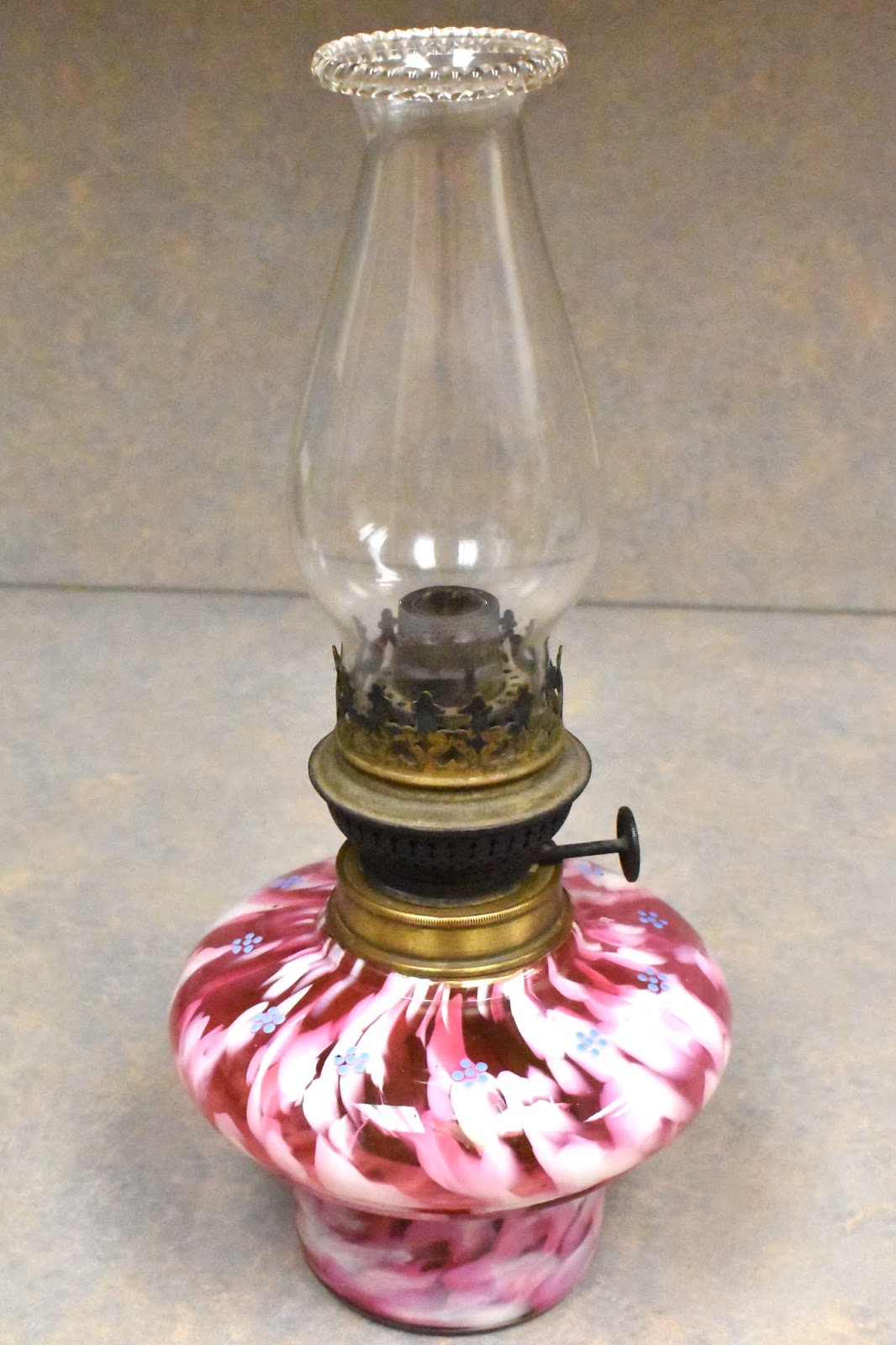
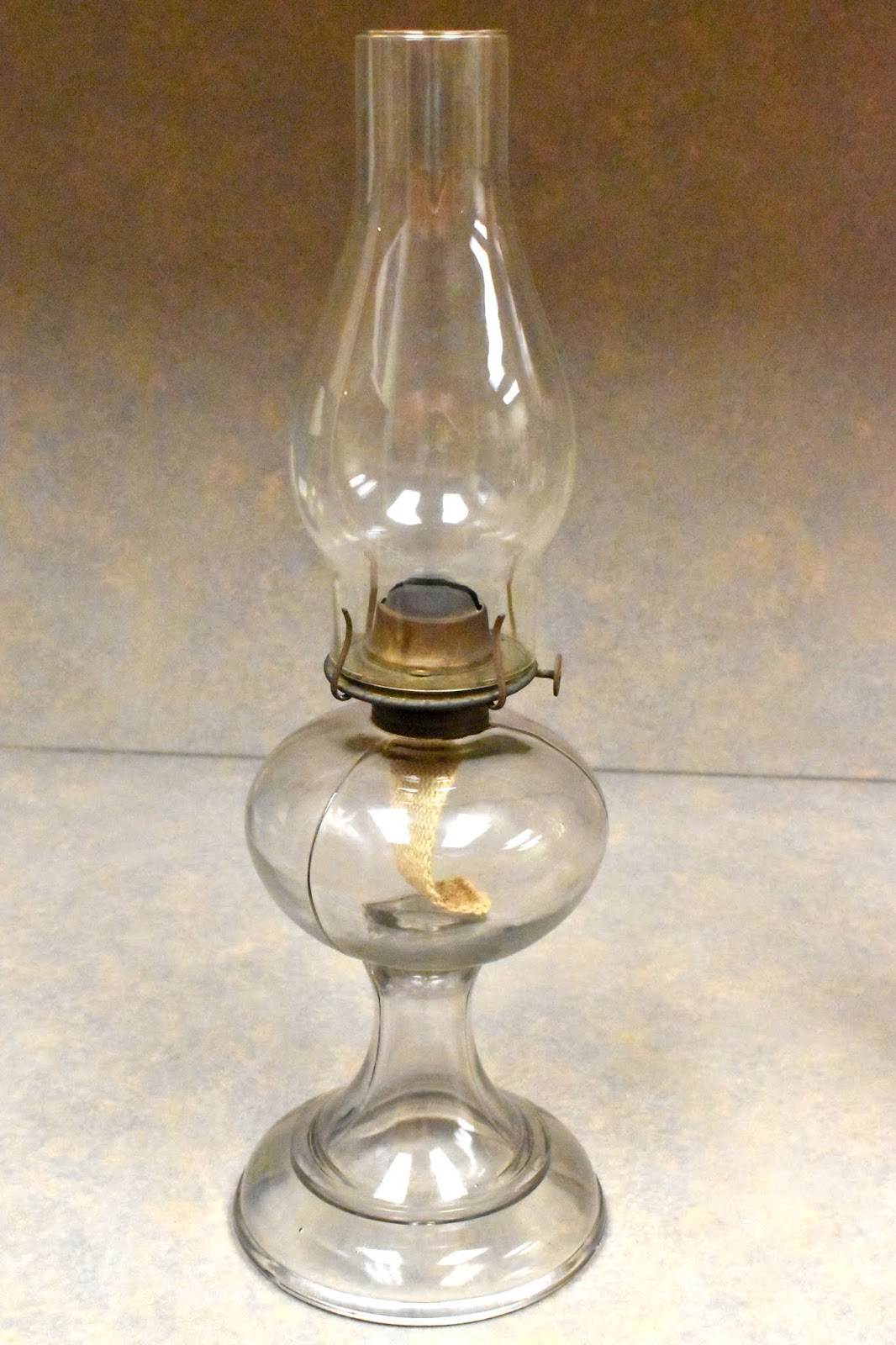
Kerosene Lamps

Kerosene lamps can include a variety of lighting devices that use kerosene as a fuel. Kerosene lamps have a wick or mantle as light source, protected by a glass chimney or globe. They may be used on a table, or hand-held lanterns for a portable light source.

Kerosene lamps are useful for lighting without electricity, such as in regions without rural electrification, during power outages, at campsites, and on boats.

The most common of kerosene lamps is the flat-wick type which draws fuel up through the lamp burner attached to a fuel tank or fount. A glass chimney or globe is attached to the top of the burner to aid air flow facilitating a cleaner and brighter flame.

Most kerosene lamps are made of practical and plain clear glass. Lamps of colored or frosted glass, porcelain, and painted glass are considered a status symbol.

 (Click picture to enlarge.)


Friday, February 14, 2020

Clocks

The clocks in the lobby exhibit for February are from the colection of Prairie Museum of Art & History.

Although clocks serve a single function of telling time, they take many shapes, sizes, and forms. Most mechanical clocks found in our homes are spring-driven. However larger clocks may also be weight-driven, such as grandfather clocks and cuckoo clocks.

More modern clocks are electric or battery powered. Some are even solar powered. Many modern clocks and watches are no longer analog using digital displays instead of hands.

Most clocks are purely function, while many are pieces of art.


 (Click Image To Enlarge)


Trivia: What is the difference between a clock and a timepiece? Clocks have a striking mechanism to chime or ring a bell. Timepieces do not.